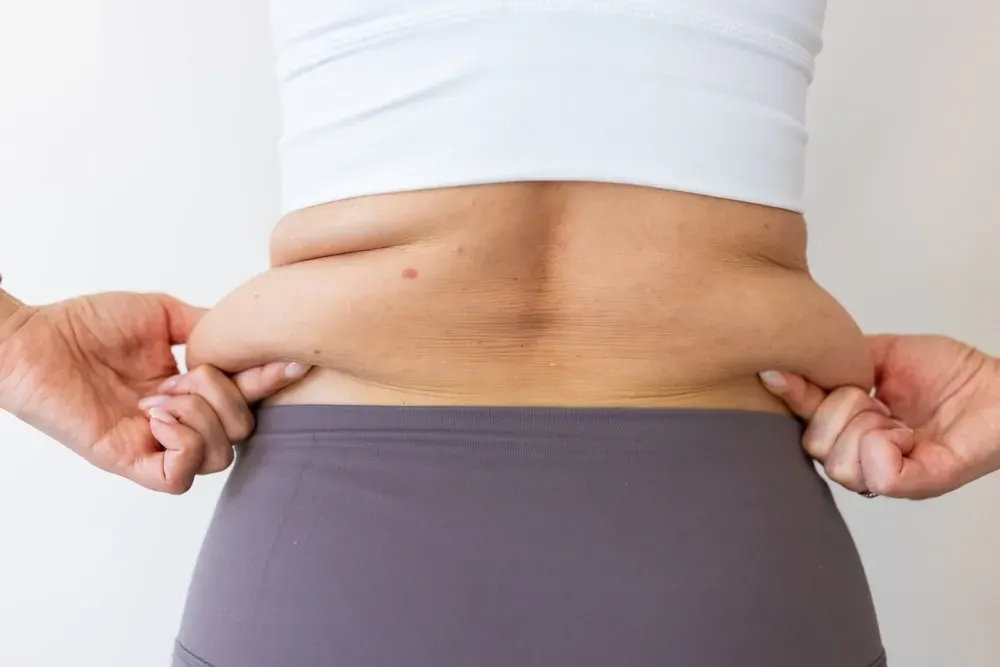



Not all body fat behaves the same way metabolically. Stubborn fat areas contain adipocytes with higher concentrations of alpha-2 adrenergic receptors, which inhibit fat release, and lower concentrations of beta adrenergic receptors, which promote fat burning. This receptor imbalance creates a biological resistance to typical fat loss mechanisms that diet and exercise cannot overcome.
Additionally, stubborn fat areas often have reduced blood flow compared to more responsive regions. Poor circulation means fewer fat-burning signals reach these cells, creating a sluggish metabolic environment where stored energy remains locked in place even during caloric deficit.
Hormones play a crucial role in determining where your body preferentially stores and releases fat. Insulin sensitivity varies between different fat deposits, with stubborn areas showing greater insulin resistance. Cortisol, your primary stress hormone, further influences abdominal fat storage through interaction with local enzymes.