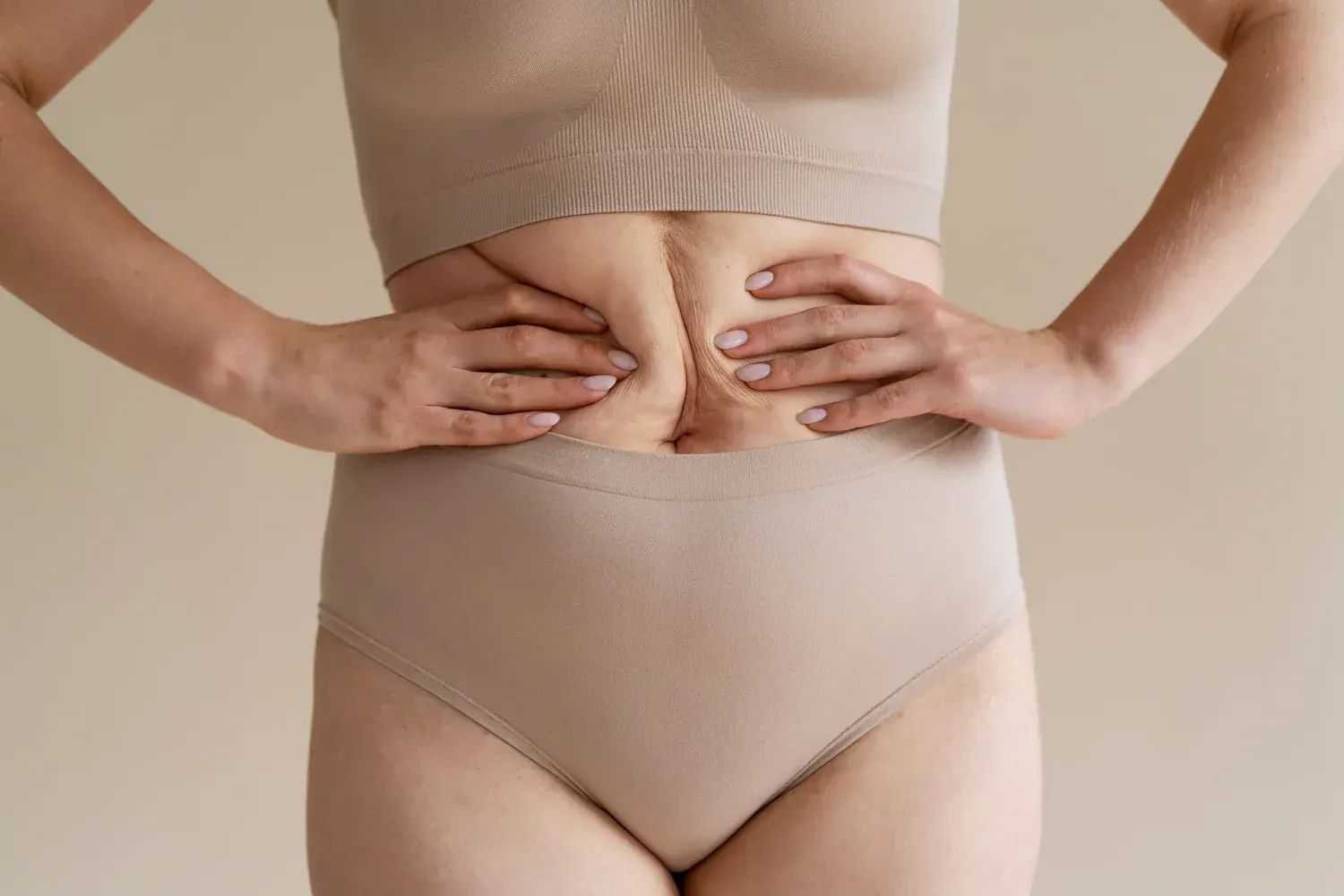


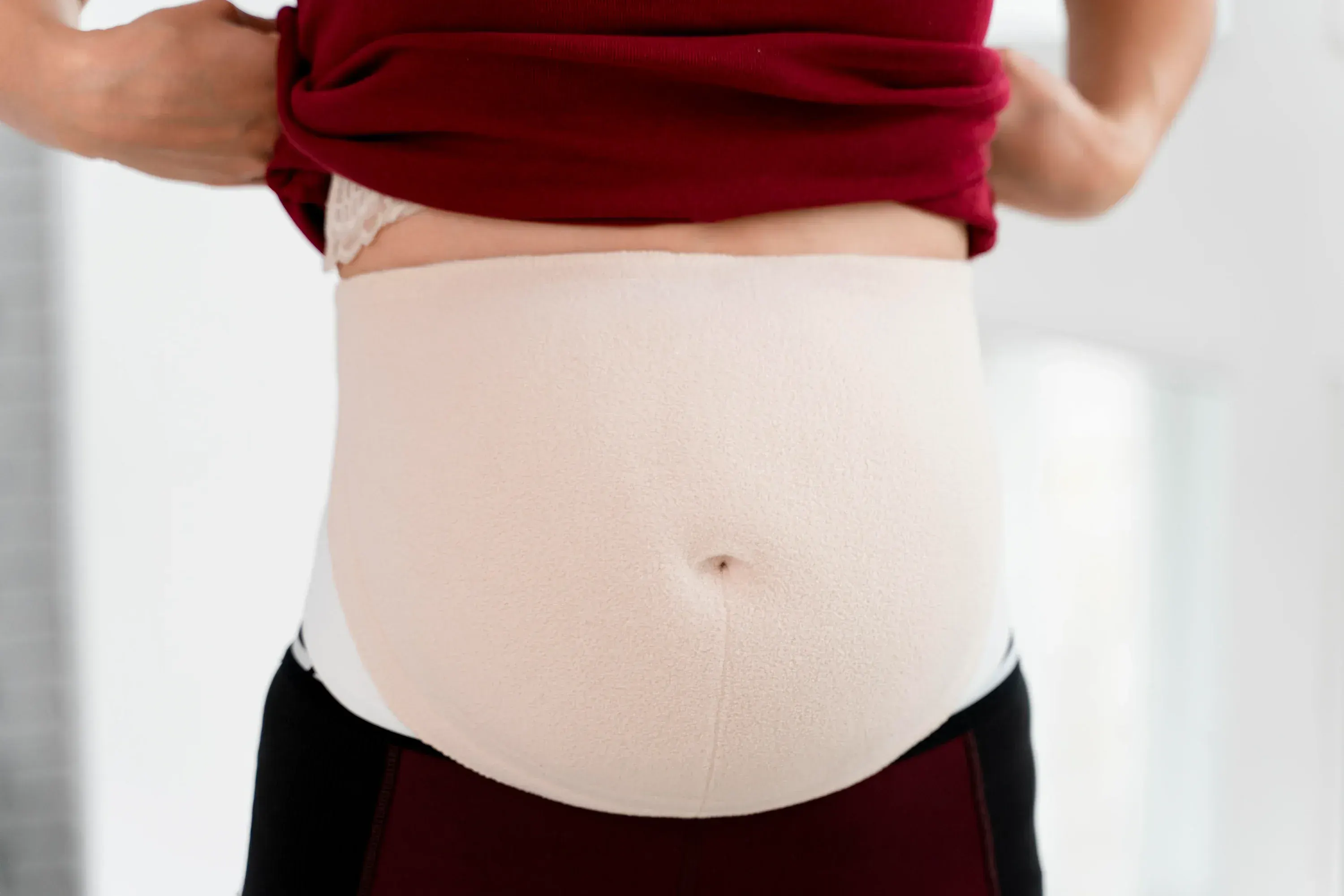
During pregnancy, the growing uterus stretches the abdominal wall progressively over approximately 40 weeks. The hormone relaxin, which peaks during the third trimester, softens the connective tissue throughout the body to prepare for delivery. This combination of mechanical stretching and hormonal changes can thin the linea alba from its normal width of approximately 10 millimeters to gaps of 20 millimeters or more.
The pelvic floor muscles work as a functional unit with the deep abdominal muscles, forming what clinicians call the "core canister." When the abdominal wall separates, this integrated system loses its structural integrity, affecting everything from bladder control to spinal stability. The resulting imbalance often leads to compensatory movement patterns that can cause secondary pain.
Postpartum recovery is further complicated by sleep deprivation, nutritional demands of breastfeeding, and the physical strain of caring for a newborn. These factors slow the body's natural healing processes, which is why many women find that the separation does not resolve on its own without targeted intervention.