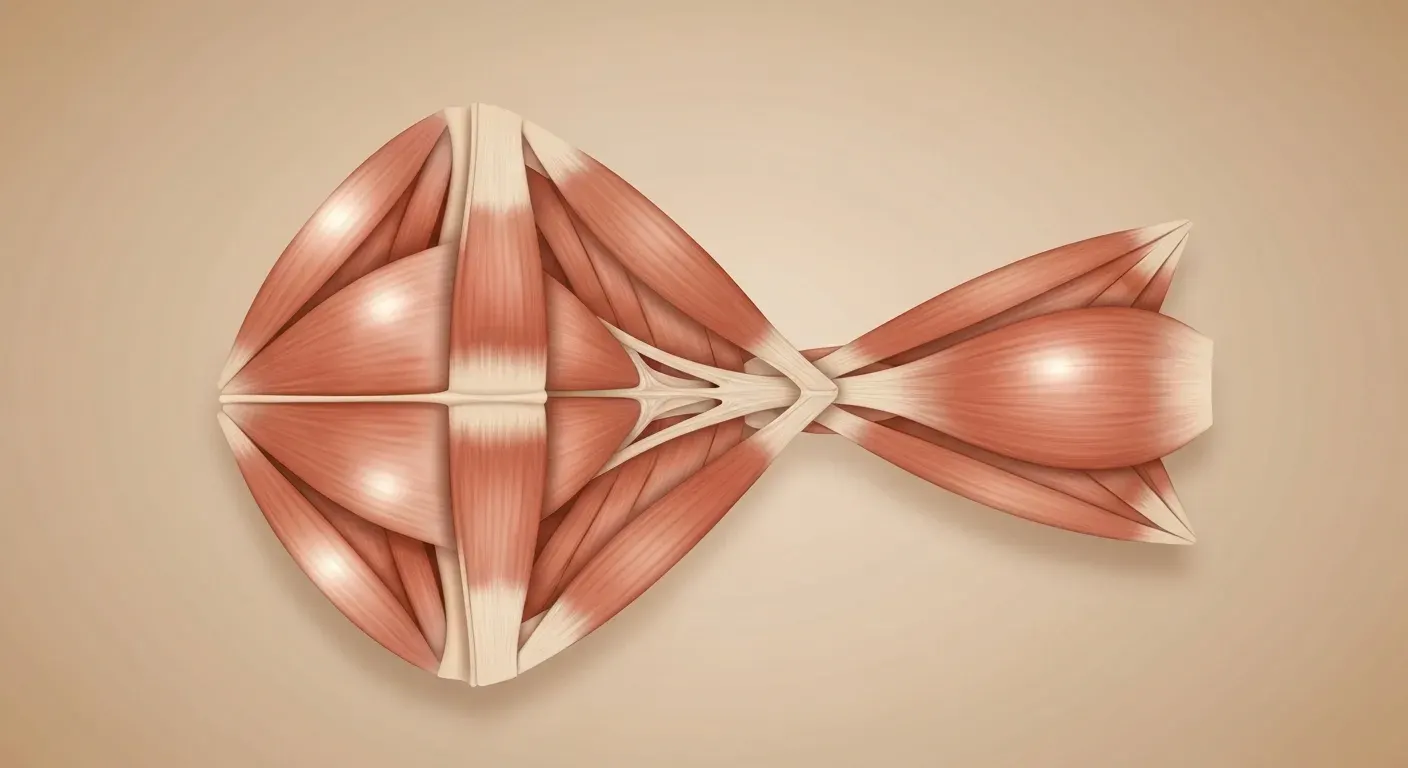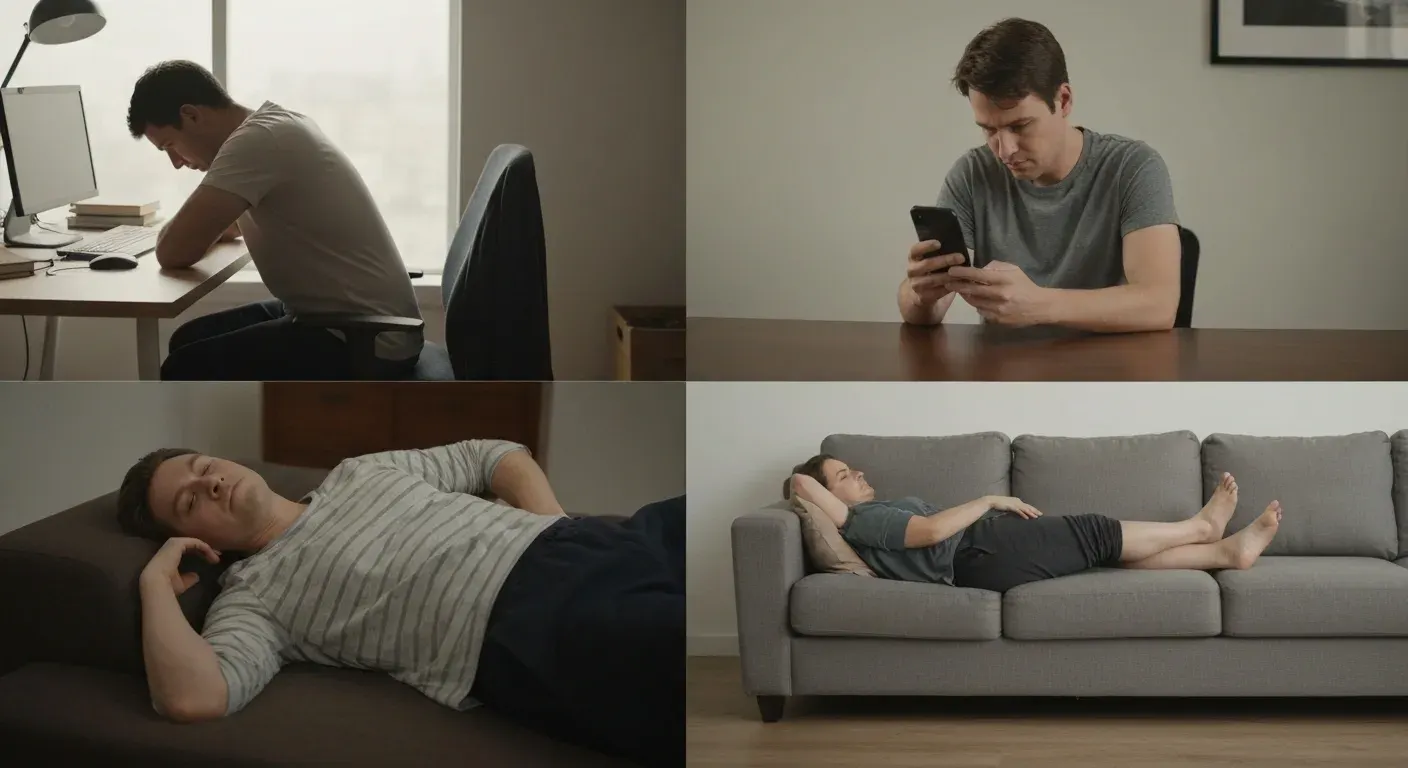

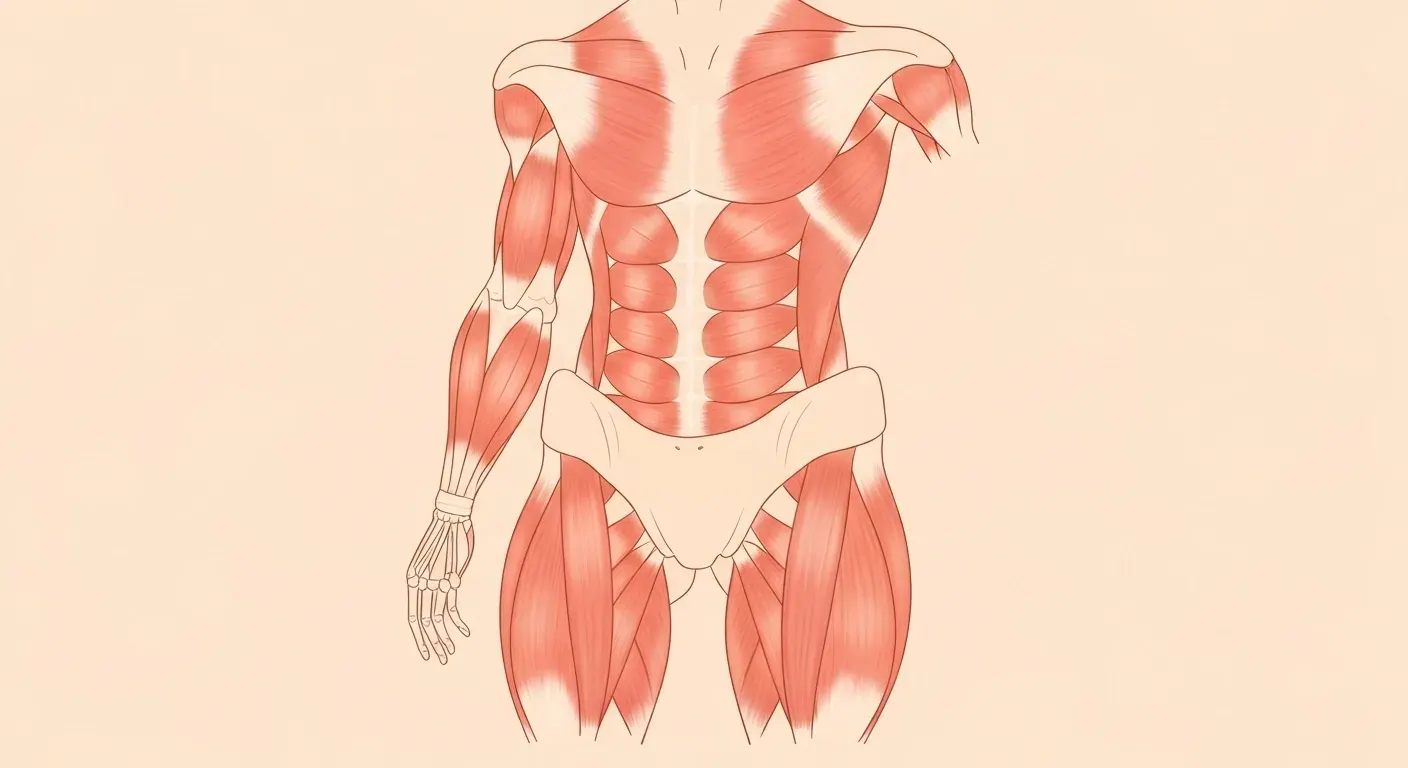

Your core muscles require regular activation to maintain their strength and responsiveness. Research shows that the average American sits for approximately 10 hours per day, and prolonged sedentary behavior causes key stabilizer muscles like the transversus abdominis and multifidus to atrophy at a rate of roughly 1-3% per week during periods of complete inactivity. Without consistent engagement, these deep muscles lose both size and the ability to fire rapidly when needed.
As core muscles weaken, the spine loses its primary stabilization system, forcing superficial muscles like the erector spinae to compensate. This compensation pattern creates an imbalanced load distribution across spinal segments, increasing pressure on intervertebral discs and facet joints. Over time, this leads to the chronic back pain, poor posture, and movement limitations that many patients experience.
The neuromuscular connection between the brain and deep core muscles also deteriorates with disuse. Motor unit recruitment, the process by which your nervous system activates muscle fibers, becomes less efficient over time. This means that even when you try to engage your core, your body may not activate the right muscles in the correct sequence, perpetuating the cycle of weakness and instability.