Comprehensive Consultation
The initial visit includes a detailed health history review and discussion of current concerns, past treatments, and health goals to determine if structural correction is appropriate.

A Different Approach
Structural correction chiropractic focuses on lasting spinal alignment, not just temporary symptom relief. Because the spine protects the nervous system, structural imbalances can disrupt overall function and health.
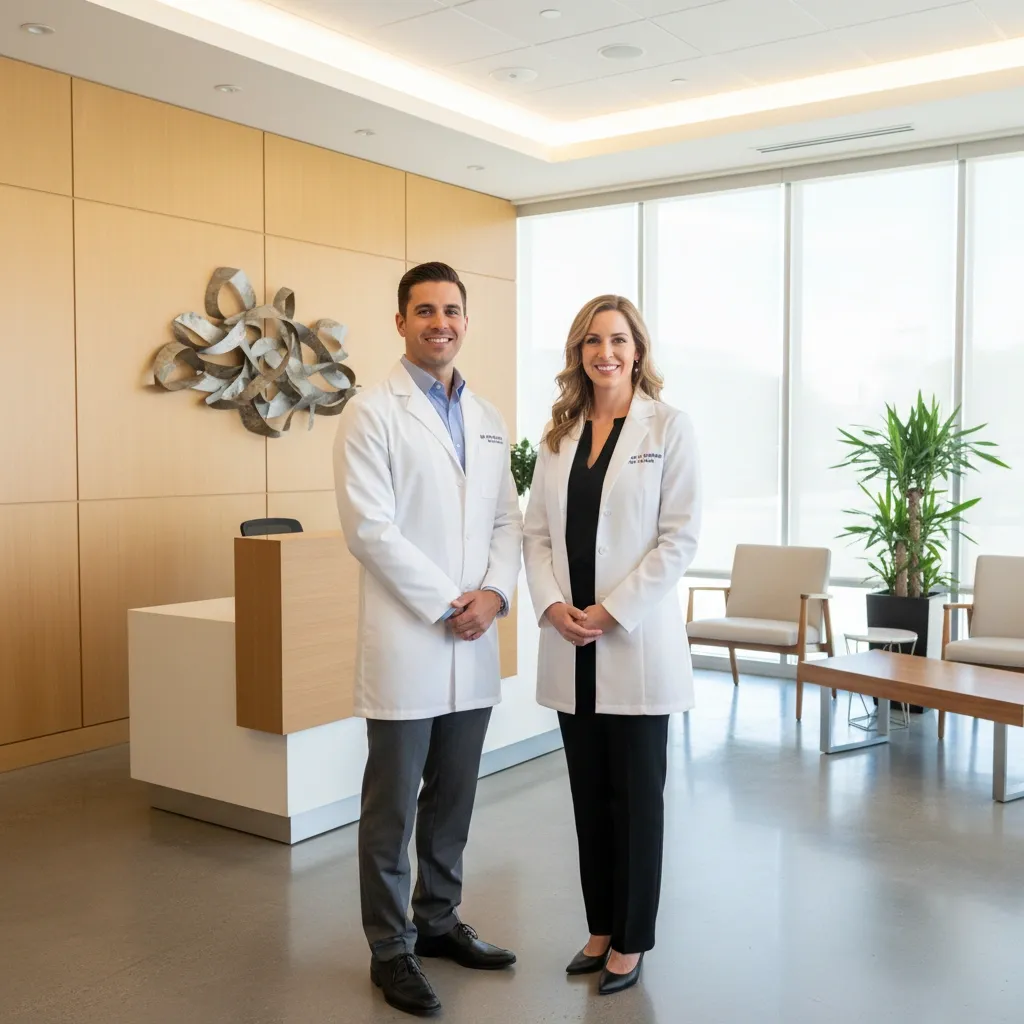
At Precision Chiropractic in Rockford, Dr. Steven Mikulak and Dr. Renee Malinski use advanced training from Palmer College of Chiropractic to deliver precise, targeted adjustments. Dr. Mikulak’s background in Exercise Science and Kinesiology from Michigan State University adds a strong foundation in biomechanics and rehabilitation.
Their approach is built on three principles: precise, non-random adjustments, objective measurement through imaging and assessments, and patient education that supports long-term structural stability.
Traditional chiropractic care often targets short-term pain relief. Structural correction focuses instead on identifying and correcting the specific misalignments that cause nerve interference and biomechanical stress.
This approach relies on detailed imaging and functional assessments to establish clear baselines and track measurable progress, not just symptom changes.
Precision Chiropractic prioritizes honest evaluations. If structural correction is not the right fit, patients are referred to a provider better suited to their needs, ensuring the most appropriate care for each individual.
Structural correction chiropractic is a specialized approach that focuses on identifying and correcting abnormal spinal structure to restore optimal nervous system function. The spine protects the spinal cord and nerve roots, which transmit signals between the brain and every organ, tissue, and cell in the body. When spinal segments shift from their normal position, this can create interference in nerve communication and contribute to a wide range of health concerns.
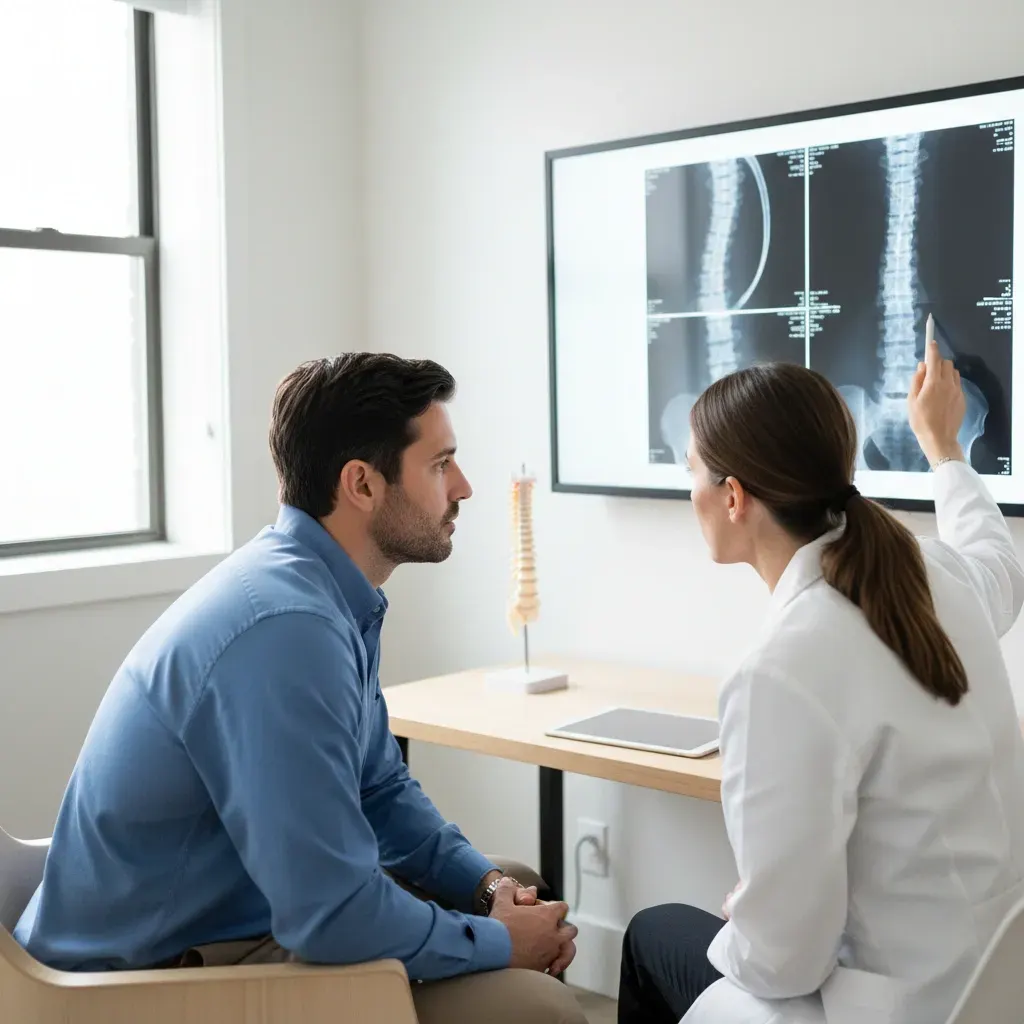
Unlike conventional chiropractic care that may focus primarily on pain relief and increased mobility, structural correction aims to restore the spine to its proper anatomical position. This involves detailed analysis using radiographic imaging to identify specific structural shifts, followed by targeted adjustments designed to progressively correct these deviations.
The process begins with a comprehensive structural examination that establishes objective measurements of spinal alignment. These measurements serve as benchmarks for tracking progress throughout the correction process. Regular reassessments allow the practitioner to modify treatment protocols based on actual structural changes rather than symptoms alone.
Structural correction typically requires a series of adjustments over an extended period, as the body needs time to adapt to improved spinal positioning. Patient education plays a critical role in this process, as individuals learn exercises, postural habits, and lifestyle modifications that support their structural improvements between office visits and after completing their initial correction plan.


By addressing the underlying structural cause of dysfunction, this approach creates lasting changes rather than temporary relief that requires repeated treatment.
Proper spinal alignment removes interference from the nervous system, allowing for improved communication between the brain and body systems.
Radiographic imaging and functional assessments provide measurable evidence of structural improvement throughout the correction process.
The goal of structural correction is to achieve a stable spine that requires minimal maintenance care, reducing long-term treatment dependency.
Proper spinal mechanics enhance biomechanical efficiency, which can improve athletic performance and daily physical activities.
Correcting structural abnormalities can slow or prevent degenerative changes that occur when the spine bears weight abnormally over time.
Education on posture, exercises, and lifestyle factors gives patients the knowledge to maintain their improvements independently.

The initial visit includes a detailed health history review and discussion of current concerns, past treatments, and health goals to determine if structural correction is appropriate.
A thorough examination assesses posture, range of motion, neurological function, and identifies areas of spinal dysfunction requiring attention.
When indicated, Motion Series X-Rays imaging provides objective visualization of spinal structure, revealing specific misalignments and their severity.
Based on examination and imaging findings, the doctor develops a personalized treatment plan with specific goals and timeline for structural correction.
Regular adjustment sessions apply precise corrections to gradually restore proper spinal alignment, with frequency decreasing as structure improves.
Periodic examinations and imaging compare current structure to baseline measurements, allowing for objective tracking of improvement and plan modifications.
Once correction goals are achieved, patients transition to a maintenance schedule to preserve their structural improvements long-term.
The investment in structural correction chiropractic care varies based on individual needs, the severity of structural issues, and the duration of care required to achieve correction goals. Initial consultations and examinations, including any necessary imaging, establish baseline measurements and allow for accurate treatment planning.
Structural correction typically involves an initial intensive phase with more frequent visits, followed by a corrective phase with gradually decreasing frequency, and finally a maintenance phase. The total investment reflects this comprehensive approach to achieving lasting structural change.
Precision Chiropractic provides detailed cost information and payment options during the consultation process. Many patients find that investing in structural correction reduces long-term healthcare expenses by addressing root causes rather than requiring ongoing symptom management. The practice can also provide documentation for patients who wish to submit claims to their insurance providers for potential reimbursement.
Both Dr. Steven Mikulak and Dr. Renee Malinski graduated from Palmer College of Chiropractic, the founding institution of the chiropractic profession, ensuring a strong foundation in chiropractic principles and technique.
The practice utilizes radiographic imaging and functional assessments to establish baseline measurements and guide each adjustment. Rather than generalized techniques, every correction is based on individual structural analysis, ensuring precision and trackable progress throughout the care process.
Patients receive thorough instruction on exercises, postural habits, and lifestyle modifications that support their structural improvements between visits and long-term.
Precision Chiropractic offers complementary services including spinal decompression, massage therapy, and pelvic floor therapy to support overall musculoskeletal health. If structural correction chiropractic is not the right fit for a particular condition, the doctors will provide honest referrals to practitioners who can better address your needs.
Precision Chiropractic offers complementary services that support structural correction and overall musculoskeletal health.

Support posture, stability, and long-term body balance

Care focused on alignment, posture, and structural correction
Traditional chiropractic often focuses on symptom relief and improving joint mobility. Structural correction specifically targets abnormal spinal alignment using objective measurements and imaging to create lasting structural changes rather than temporary relief.
The correction timeline varies based on the severity of structural issues, patient age, and how consistently recommendations are followed. Most patients require several months of regular care, with adjustment frequency decreasing as structure improves.
Radiographic imaging provides objective visualization of spinal structure that cannot be obtained through examination alone. This allows for precise identification of misalignments and accurate tracking of structural changes throughout care.
The goal of structural correction is to achieve a stable spine that requires minimal maintenance. Once correction goals are met, most patients transition to periodic check-ups rather than ongoing frequent treatment.
Chiropractic adjustments have an excellent safety profile when performed by trained practitioners. The precise nature of structural correction, guided by imaging and examination findings, allows for targeted adjustments that minimize unnecessary manipulation.
Precision Chiropractic conducts thorough evaluations to determine if structural correction is appropriate. If another approach would better serve a patient's needs, the practice provides referrals to other qualified healthcare providers.